
What to Expect During a Professional Roof Inspection
When to Schedule an Inspection
Most roofers recommend an inspection at least once a year or after any major weather event such as high winds, hail or heavy rain. You should also schedule one before buying or selling a home, when a roof reaches the later years of its expected lifespan, or if you notice stains, missing shingles or granules in the gutters.
How to Prepare
Gather any records you have: the age of the roof, past repair invoices, warranty documents and information about previous leaks. Make sure the inspector can reach the property, and clear vehicles from the driveway so a ladder can be set up. If you have pets, keep them indoors. Let the contractor know about concerns, such as a ceiling stain in the hallway or a room that gets noticeably warm.
What the Inspector Checks
The Roof Surface
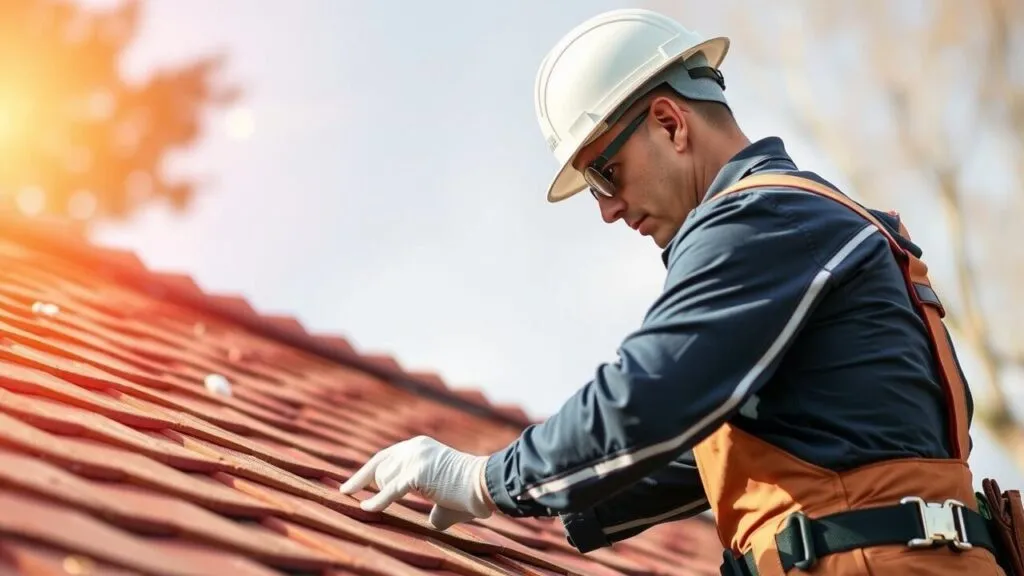
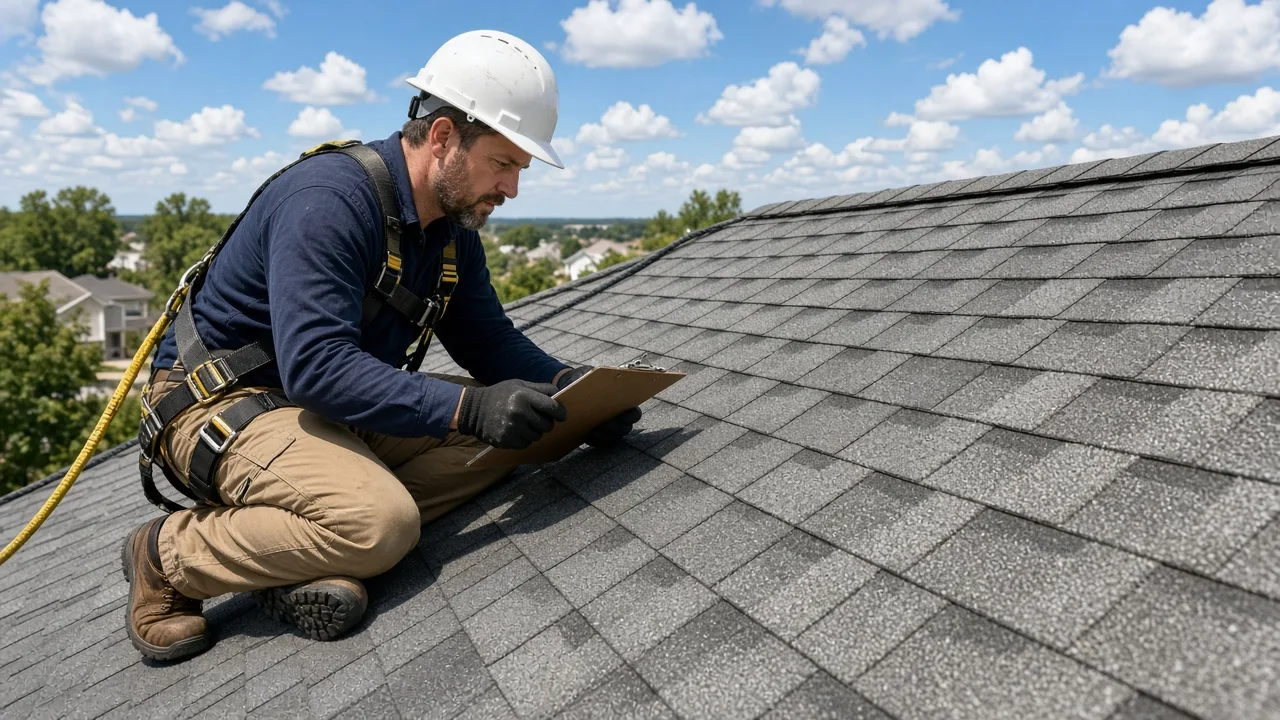
The inspector looks for cracked, curled, blistered or missing shingles, loss of granules, signs of hail or wind damage, and moss or algae growth. On tile, metal or flat roofs, they check for cracked tiles, loose panels, fastener problems, ponding water and membrane damage.
Flashing and Penetrations
Leaks often start around chimneys, skylights, vents and wall intersections. The inspector checks flashing, sealant and boots around plumbing vents for cracks, rust and gaps.

Gutters, Fascia and Soffits
Clogged or sagging gutters can send water behind the fascia and into the eaves. Rot, peeling paint or stains on these areas can signal chronic moisture problems.
The Attic and Interior
A thorough inspection often includes the attic. The inspector looks for water stains on the underside of the decking, damp or compressed insulation, daylight through gaps, mold and ventilation problems. Interior ceilings and walls may also be checked for stains.
What a Good Report Includes
- Date, address and the inspector's contact information
- Photos of problem areas with clear descriptions
- An estimate of remaining roof life and overall condition
- A prioritized list of repairs: urgent, recommended and optional
- Estimated costs or an offer to provide a written proposal
Red Flags to Watch For
Be cautious of inspectors who pressure you to sign a contract on the spot, refuse to show photos, claim that every roof needs replacement or demand large upfront payments. Ask for proof of license and insurance, and consider getting a second opinion before approving expensive work.
Using the Results
An inspection is only valuable if you act on it. Fix urgent leaks quickly, schedule recommended work before the next rainy season and keep the report with your home records. Over time, the file builds a history that helps with insurance, resale and long-term budgeting.
p>