

Reading a Roofing Estimate: Line Items Every Homeowner Should Understand
The Basics: Scope and Total
A solid estimate starts with a clear scope of work: the address, the roof areas included, the type of roofing material, and whether it is a full replacement or a repair. It should state the total price and payment schedule. Vague descriptions such as "new roof" leave room for disputes.
Key Line Items
Tear-Off and Disposal
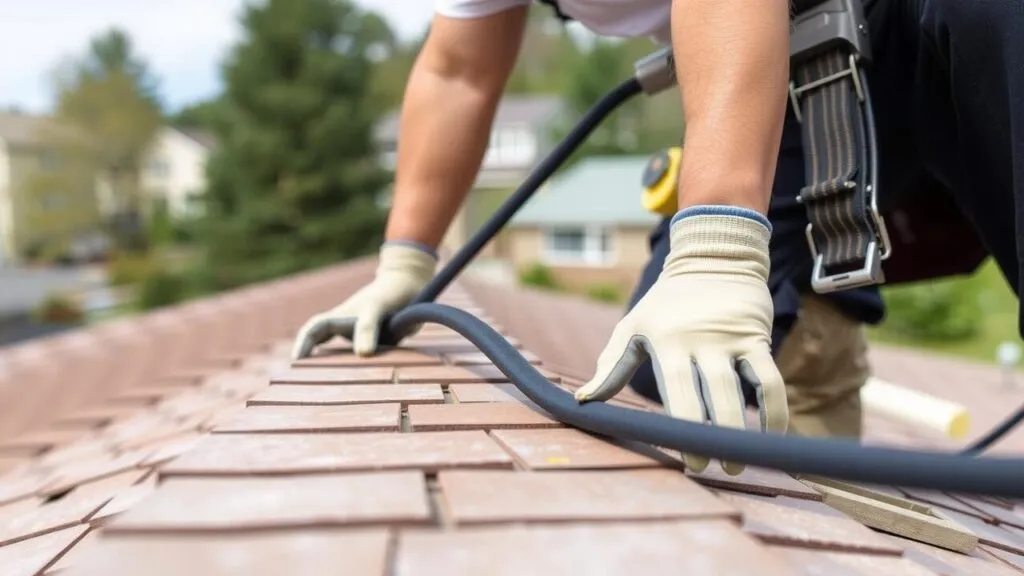
Most replacements involve removing the old roofing. The estimate should say whether it includes tearing off one layer or more, hauling away debris and protecting landscaping. Ask whether there is an extra charge if rotted decking is discovered.
Decking Repair
Once old roofing is removed, damaged plywood or boards may be exposed. Good estimates specify a price per sheet or per linear foot for replacement so there are no surprises.
Underlayment and Ice-and-Water Shield
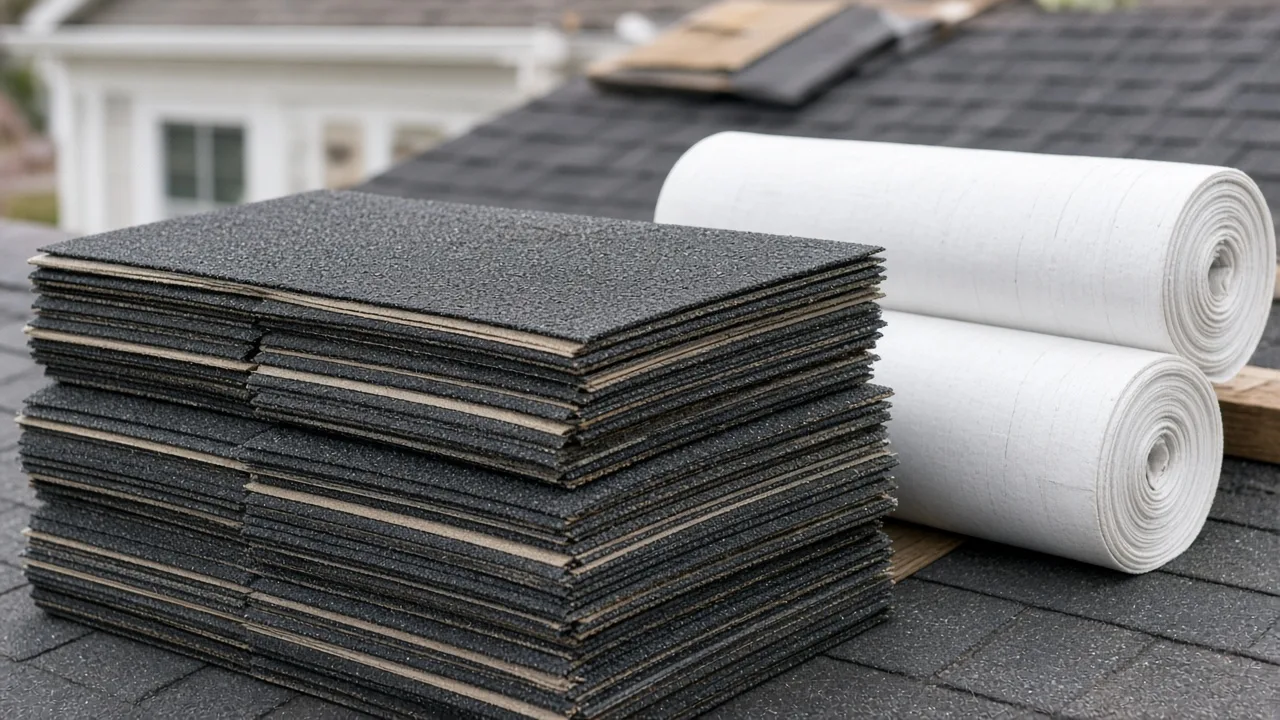
This layer under the shingles is your second line of defense against water. The estimate should name the type, such as synthetic underlayment, and any self-adhering membrane in valleys, eaves and penetrations.
Shingles or Other Roofing Material
Look for the manufacturer, product line, color and warranty level. A price that omits the brand may mean a lower-quality product will be substituted.
Flashing, Vents and Accessories
Flashing around chimneys, walls and skylights, pipe boots, ridge vents and drip edge are small details that make a big difference. Check that new flashing is included rather than reusing old pieces.
Permits, Cleanup and Inspections
Many jurisdictions require permits for re-roofing. The estimate should say who pulls the permit and who pays for it, and it should include magnetic sweeps for nails after cleanup.
Warranties
Two warranties matter: the manufacturer's material warranty and the contractor's workmanship warranty. Ask how long each lasts, what is covered and whether it transfers to a new owner. Get the details in writing.
Comparing Bids Fairly
- Make sure every bid covers the same roof area, material grade and number of layers.
- Check license, insurance and workers' compensation coverage.
- Be wary of very low bids that leave out items other bidders list.
- Avoid contractors who require large upfront payments; a modest deposit is more typical.
- Ask for references and look at recently completed projects.
Questions to Ask Before Signing
How long will the job take? Who will supervise the crew? What happens if bad weather delays the work? How will change orders be handled and priced? A reputable contractor will answer clearly and in writing. Take your time and choose the estimate that is the most transparent, not just the cheapest.
p>