
How Roof Ventilation Affects Energy Bills and Shingle Life
Why Attics Need to Breathe
In summer, a sun-baked roof can push attic temperatures well above the outdoor air temperature. That heat radiates down into living spaces and forces air conditioning to work harder. In winter, warm, moist air from the house leaks into the attic, and if it cannot escape it condenses on cold surfaces. Over time that moisture can cause rot, mold, rusted fasteners and damp insulation that loses its effectiveness.
Intake and Exhaust: The Balanced System
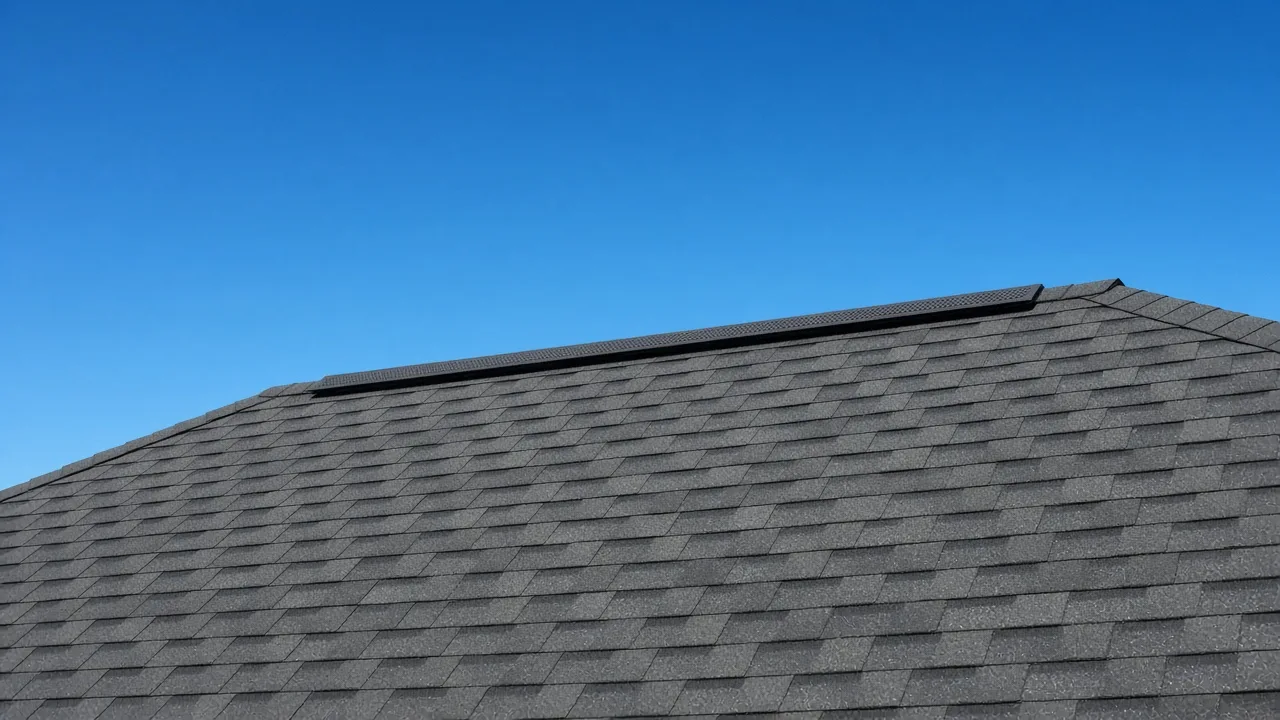
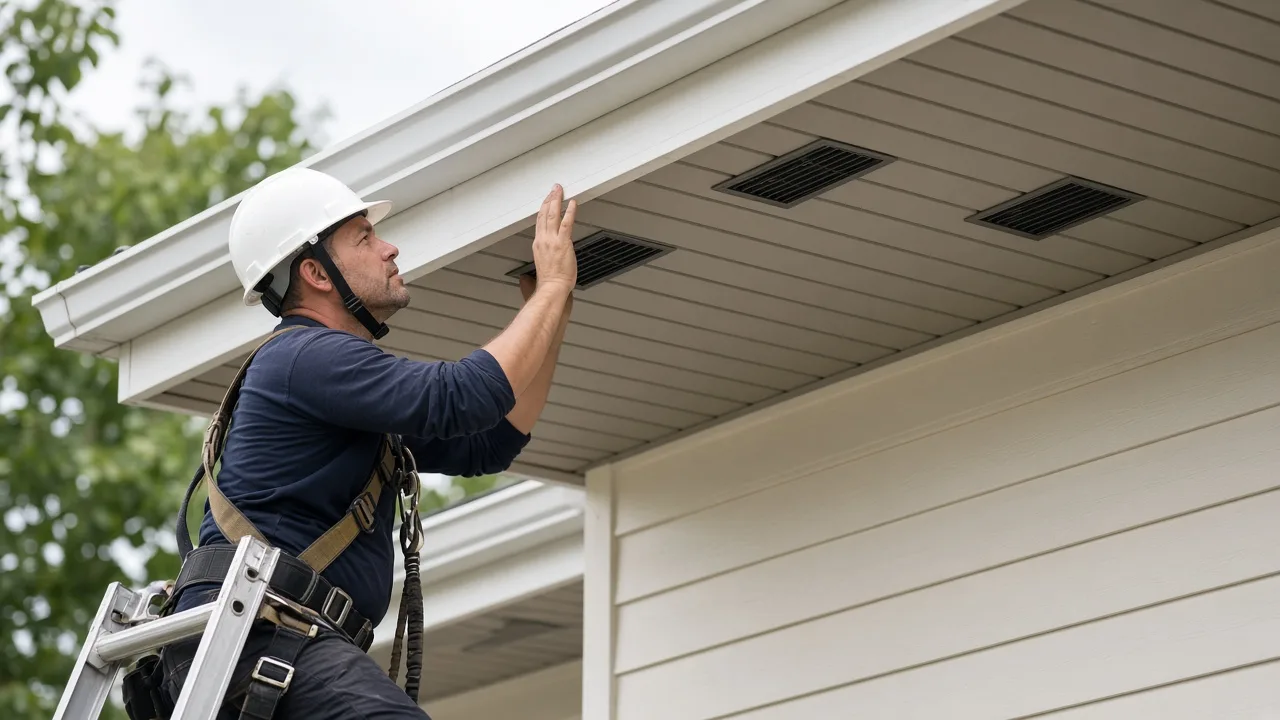
Good ventilation works as a system. Cool outside air enters low on the roof through intake vents, usually in the soffits under the eaves. Warm air rises and exits through exhaust vents near the peak, such as ridge vents, box vents or gable vents. The goal is a steady, passive flow of air from bottom to top.
Many building codes use a rule of thumb of one square foot of net free ventilation area for every 150 square feet of attic floor, or one for every 300 if the system is properly balanced and includes a vapor barrier. A roofing professional can calculate the correct amount for your attic and verify local code requirements.
Signs of a Ventilation Problem
- Upstairs rooms that are much hotter than the rest of the house in summer
- Curling, cracking or prematurely aged shingles, especially on the sunny side
- Frost, damp insulation or musty smells in the attic during winter
- Ice dams forming at the eaves in cold climates
- Peeling paint or rust on ceiling fixtures or attic nails
- Unusually high cooling bills for a house of your size
Common Mistakes
One of the most frequent errors is mixing different types of exhaust vents on the same roof, which can short-circuit airflow so that the exhaust vents pull air from each other instead of from the soffits. Another is blocking soffit vents with insulation, which cuts off intake. Adding powered attic fans without adequate intake can even pull conditioned air out of the house. Keep insulation baffles in place so air can pass freely from the soffit into the attic.
What Roofing Warranties Say
Many shingle manufacturers require proper attic ventilation as a condition of their warranties. If a roof fails early and the attic was poorly vented, a claim can be complicated. Documenting ventilation during a roof replacement is a good habit.
How to Check Your Own Attic
On a mild day, safely look into the attic with a flashlight. Check that soffit openings are clear, that baffles hold insulation back from the eaves, and that there are no signs of water stains, mold or daylight through the roof deck. If anything looks wrong or you are uncomfortable going up, ask a qualified roofer or insulation contractor to inspect it.
Improving ventilation is usually one of the more affordable roofing upgrades and pays back in comfort and longevity. When you replace a roof, ask the contractor to evaluate and include ventilation as part of the plan.
p>