
How Long Do Roofs Last? Typical Lifespans by Material
Typical Ranges
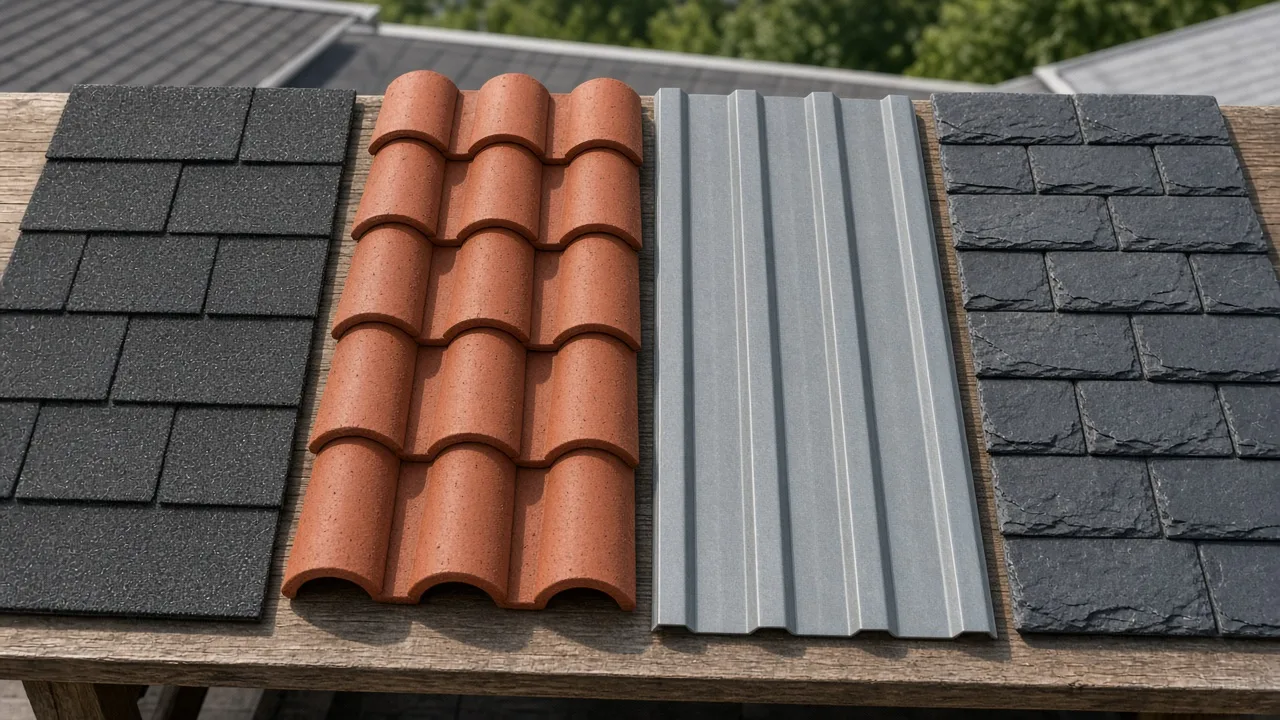
- Three-tab asphalt shingles: often around 15 to 20 years.
- Architectural (laminated) asphalt shingles: commonly around 20 to 30 years.
- Wood shakes and shingles: roughly 20 to 30 years, depending on species, treatment and exposure.
- Metal roofing: frequently 40 to 70 years or more for quality standing-seam systems, depending on coating and fasteners.
- Clay and concrete tile: often 50 years or more. The tiles themselves can last longer than the underlayment beneath them.
- Natural slate: 75 to 100 years or more when properly installed.
- Flat roof membranes: commonly about 15 to 30 years, depending on the material.
What Shortens a Roof's Life
- Heat and sun. Ultraviolet exposure and high temperatures dry out asphalt and degrade coatings.
- Poor ventilation. A hot attic can bake shingles from below.
- Moisture and algae. Persistent damp conditions encourage moss, algae and rot.
- Installation errors. Improper nailing, flashing or underlayment can cause early failure regardless of the material.
- Storm damage and foot traffic. Wind, hail and careless access can harm roofing surfaces.
How to Extend It
Routine inspections, prompt repairs, clear gutters and good attic ventilation are the most effective habits. Trim overhanging branches, remove debris from valleys and avoid pressure washing shingles, which can strip their granules.
Signs It May Be Time to Replace
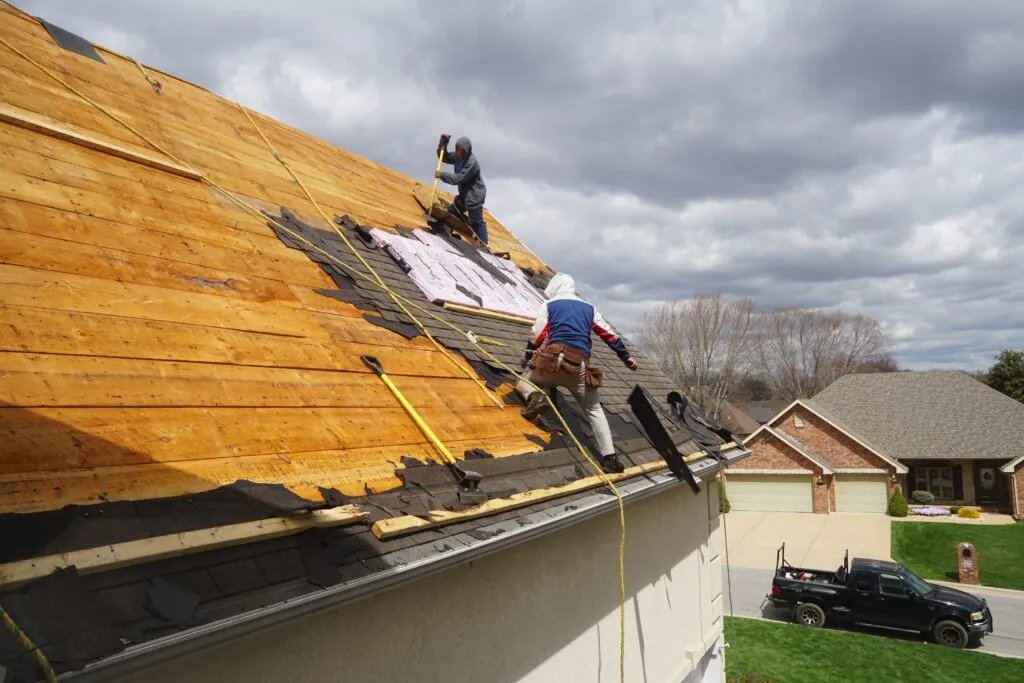
- Curling, cracking or missing shingles across large areas.
- Bald spots where granules have worn away, often seen in gutters.
- Sagging sections or soft spots in the decking.
- Repeated leaks despite repairs.
- Daylight visible through the roof boards in the attic.
Warranty Terms Versus Real Life
A product warranty is not the same as an expected lifespan. A shingle sold with a long limited warranty may still show wear much earlier, particularly in hot, sunny or windy locations. Warranty coverage can also be prorated and may exclude workmanship or damage from storms. Read the details, and ask whether the installer provides a separate workmanship warranty. Photograph your roof after installation so you have a baseline when you compare future conditions.
Choosing a Material for Your Home
The longest-lived material is not automatically the best choice. Consider your climate, the weight your structure can carry, the style of your neighborhood and how long you plan to stay. Metal and tile cost more upfront but may offer better value over decades, while asphalt shingles remain popular for their lower initial price and wide availability. Ask for local references and examples of each material that have aged for several years.
Request itemized quotes that include tear-off, underlayment, flashing, ventilation and cleanup so you can compare them accurately.
Planning Ahead
Start getting estimates well before a roof fails so you can compare options and schedule the work during a convenient season. Ask each contractor about the roofing material, underlayment, flashing details and warranty terms. A well-planned replacement avoids emergency repairs and gives you more control over cost and quality.
p>