
Gutters and Downspouts: How They Protect Your Roof, Walls and Foundation
What Gutters Do
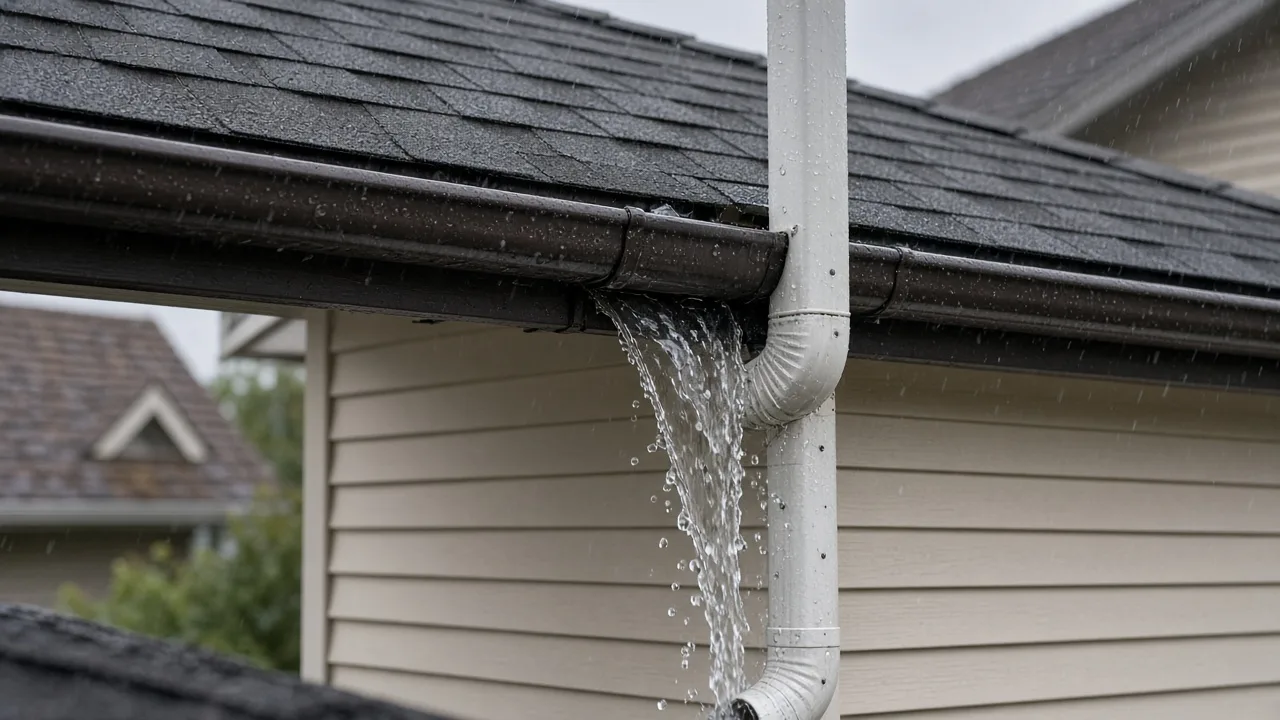
When rain runs off a roof without a gutter, it falls close to the walls. Over time it can splash dirt and moisture onto siding, erode soil, create puddles near the foundation and cause water to seep into crawlspaces or basements. Gutters gather the water, and downspouts carry it to a safe discharge point.
Choosing Size and Material
Common residential gutters are five or six inches wide. Larger roofs, steep slopes or areas that receive heavy rainfall may benefit from the larger size. Materials include aluminum, steel, copper and vinyl. Aluminum is popular because it is light and does not rust. Copper is long-lasting but costs more. Seamless gutters, formed on site from a continuous coil, have fewer joints that could leak.
Slope and Downspout Placement
Gutters should pitch slightly toward the downspouts so water does not stand in the trough. Downspouts are typically placed at corners and at intervals along longer runs. The discharge point should carry water several feet away from the foundation using extensions, splash blocks or underground drain lines.
Routine Maintenance
- Clear leaves, seeds and shingle grit at least twice a year, and more often near trees.
- Flush the downspouts with a hose to confirm that water flows freely.
- Check for sagging sections, loose hangers and open seams.
- Look for rust, peeling paint or staining below the gutter, which can indicate overflow or leaks.
Gutter Guards: Helpful but Not Maintenance-Free
Gutter guards can reduce the amount of debris that enters the system, but they do not eliminate maintenance. Fine dust, pine needles and shingle granules can still accumulate. Compare designs carefully and make sure they are installed properly so they do not trap water under the shingles.
Gutters in Dry Climates and Heavy Storms
In regions with long dry spells, dust and debris can build up and then wash into gutters in a single storm, causing sudden clogs. Check the system before the rainy season, not after the first downpour. If rainwater harvesting interests you, downspouts can be connected to barrels or a cistern, provided the overflow is directed safely away from the building. Roof valleys and steep roof sections can send large volumes of water to a single point, so consider extra downspouts or larger outlets in those spots.
When to Call a Professional
Hire a qualified contractor if gutters are on a high or steep roof, if fascia boards are soft or rotted, or if water keeps reaching the foundation despite clean gutters. A professional can re-pitch the runs, replace damaged sections, add downspouts and recommend drainage solutions such as French drains or regrading. Ask for a written estimate and confirm that the contractor carries liability insurance and, where required, the correct license.
Warning Signs of Trouble
- Water spilling over the front edge during moderate rain.
- Pooling or erosion near the foundation.
- Stains or peeling paint on fascia and soffits.
- Gutters pulling away from the house.
If problems recur, a roofer or gutter specialist can evaluate whether the system is correctly sized and pitched. A modest investment in repairs or upgrades can prevent much larger repair bills later.
p>